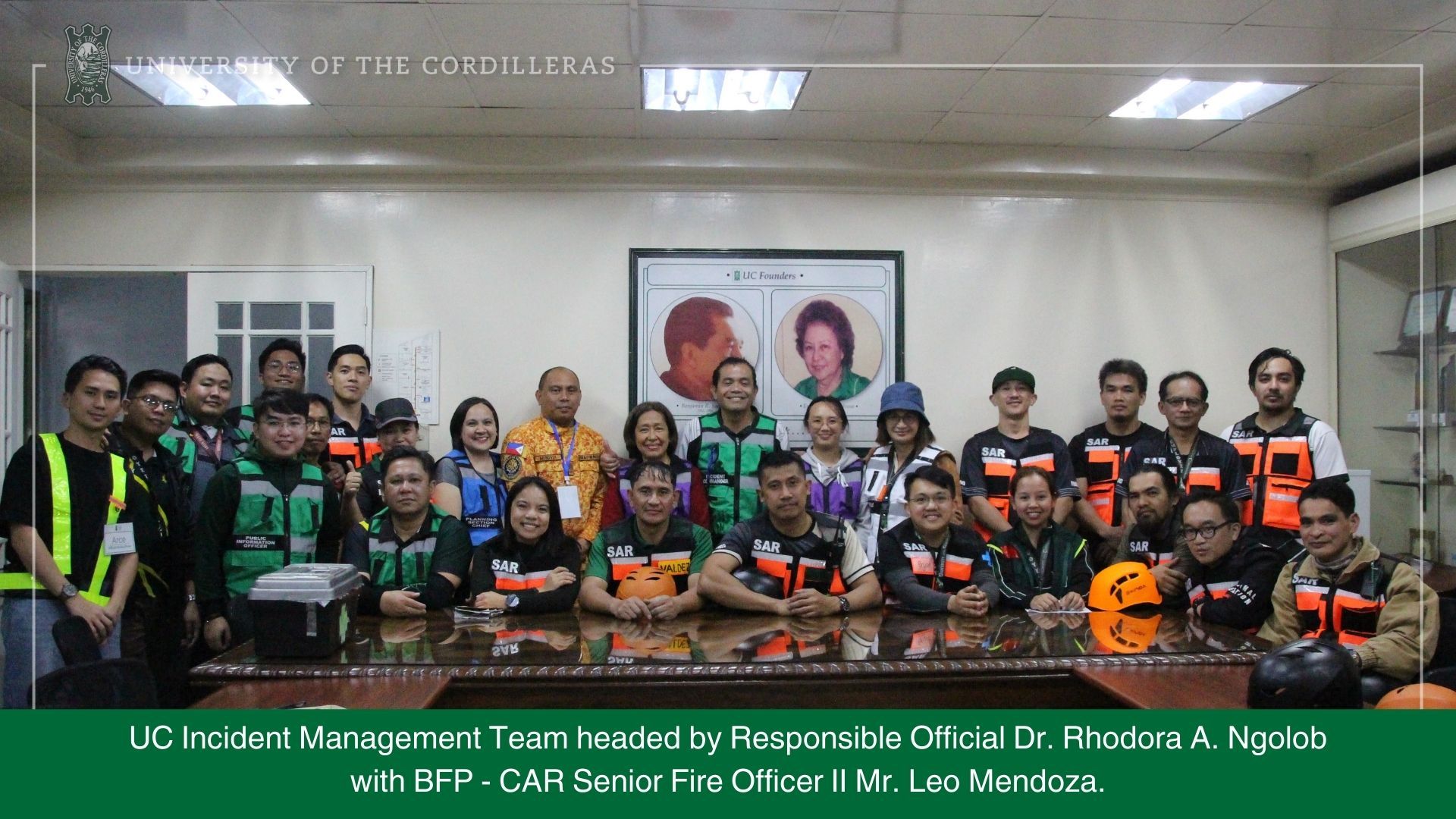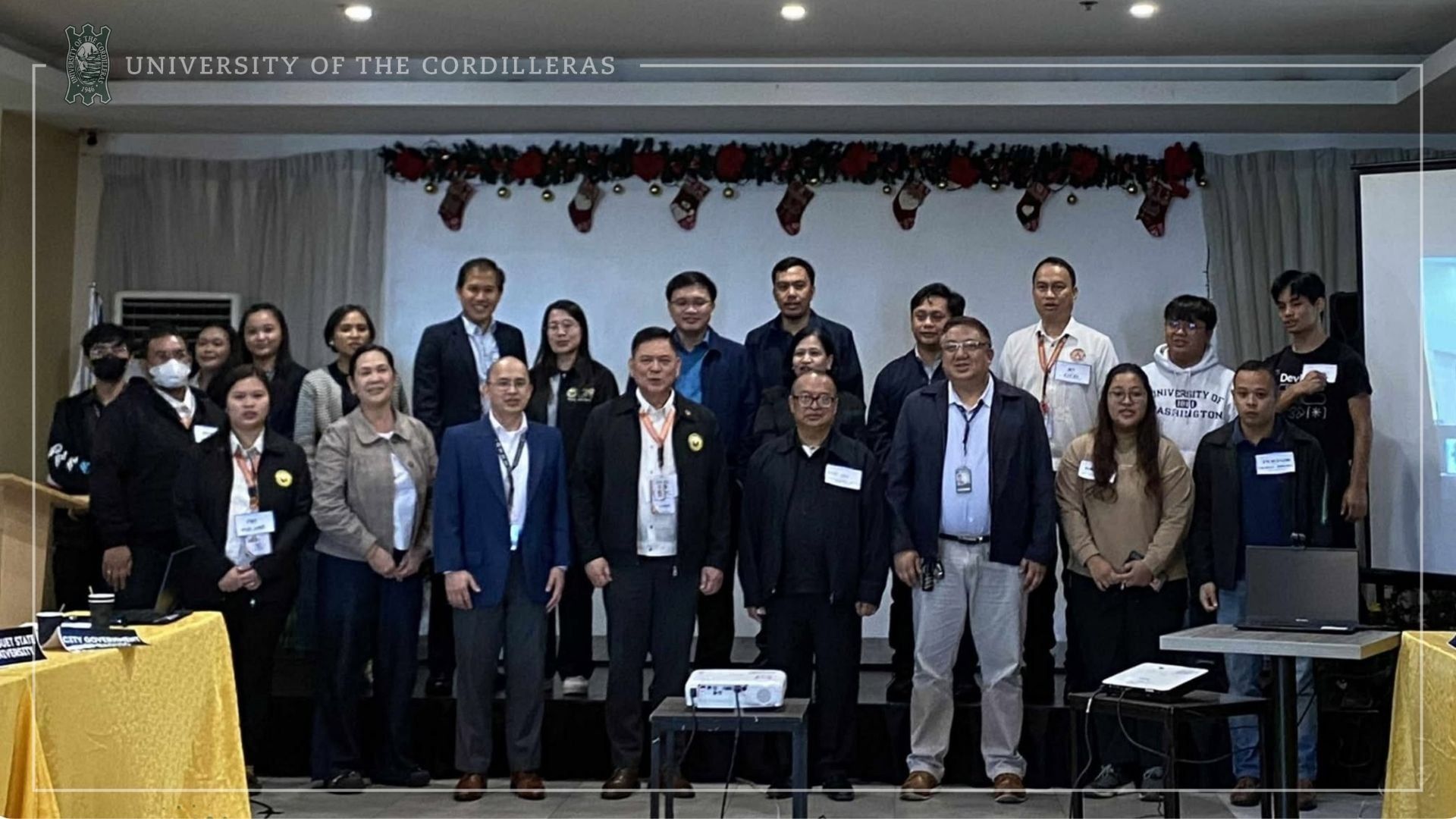
The University led the 1st DIGIHAZ Networking Event on November 14, 2025, at Travelite Hotel, Legarda. This was an inaugural gathering that pushed forward digital innovation as a key driver of natural hazard resilience.
Held under the theme “Quadruple-Helix Research Matchmaking Forum: Digital Solutions for Natural Hazard Resilience,” the forum brought together government officials, academic leaders, industry representatives, and community partners for a full day of discussion and collaboration.
The program opened with an overview of the DIGIHAZ Project, including its goals and the launch of new PhD specializations geared toward advancing research in digital hazard mitigation. Engr. Leandro “Doy” Tabilog, speaking on behalf of the Baguio City Mayor, shared an inspirational message pointing out the role of innovation-driven governance in strengthening disaster preparedness in urban communities.
Two plenary sessions outlined the evolving landscape of disaster risk reduction and management (DRRM). Dr. Sergio Molina Palacios discussed how digital technologies are reshaping strategies for hazard preparedness and emergency response. OCD–CAR Regional Director Albert Mogol underscored the importance of partnerships and education in building resilient, community-centered DRRM practices.
A proposed Memorandum of Understanding (MOU) was presented to formalize stronger collaboration among participating institutions. The event closed with the signing of a Memorandum of Commitment and a collective pledge on the commitment wall—affirming the shared goal of building safer, smarter, and more resilient communities through digital innovation.