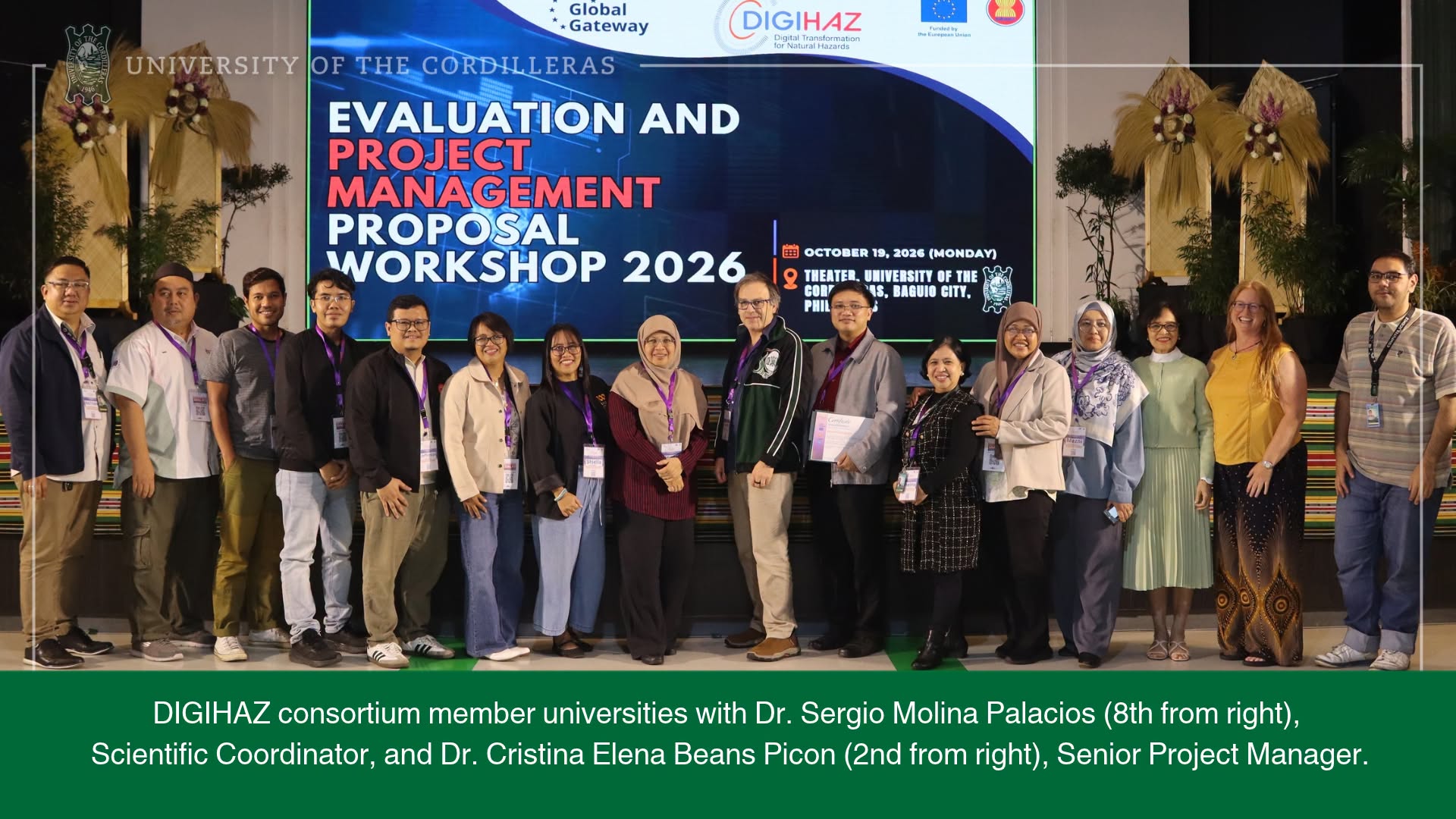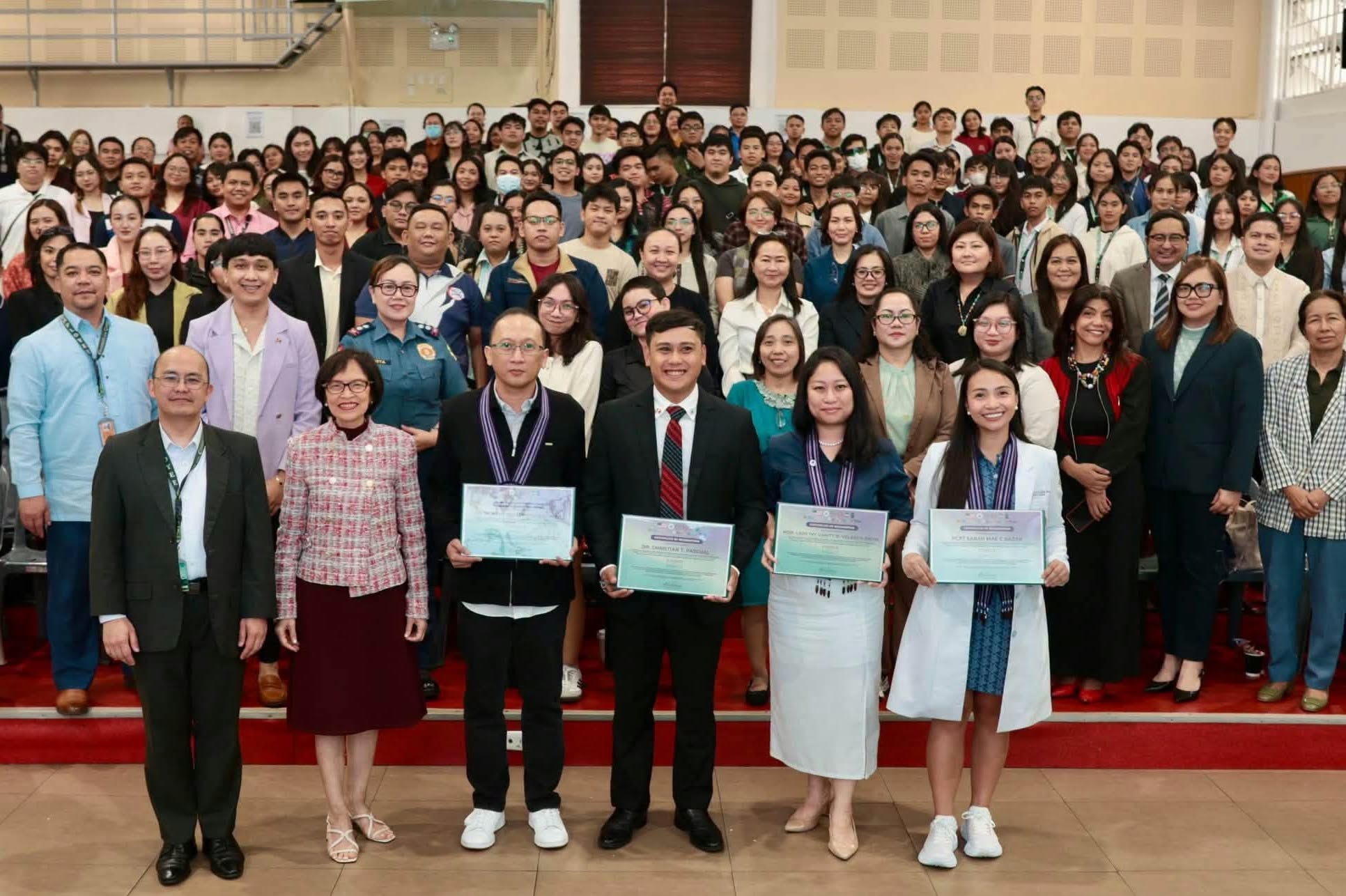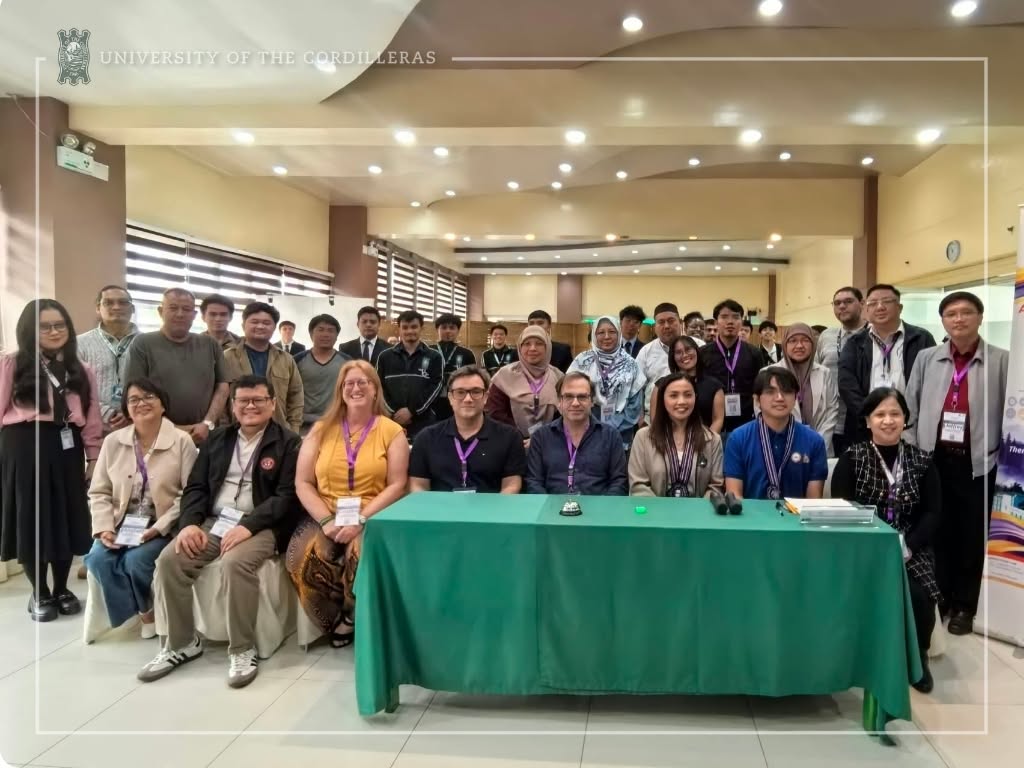
The Digital Transformation for Natural Hazards (DIGIHAZ) project held its Annual Online Conference for Young Researchers on October 23, 2026, through a hybrid format, bringing together graduate students from universities worldwide to present research and exchange ideas on disaster risk reduction and management (DRRM).
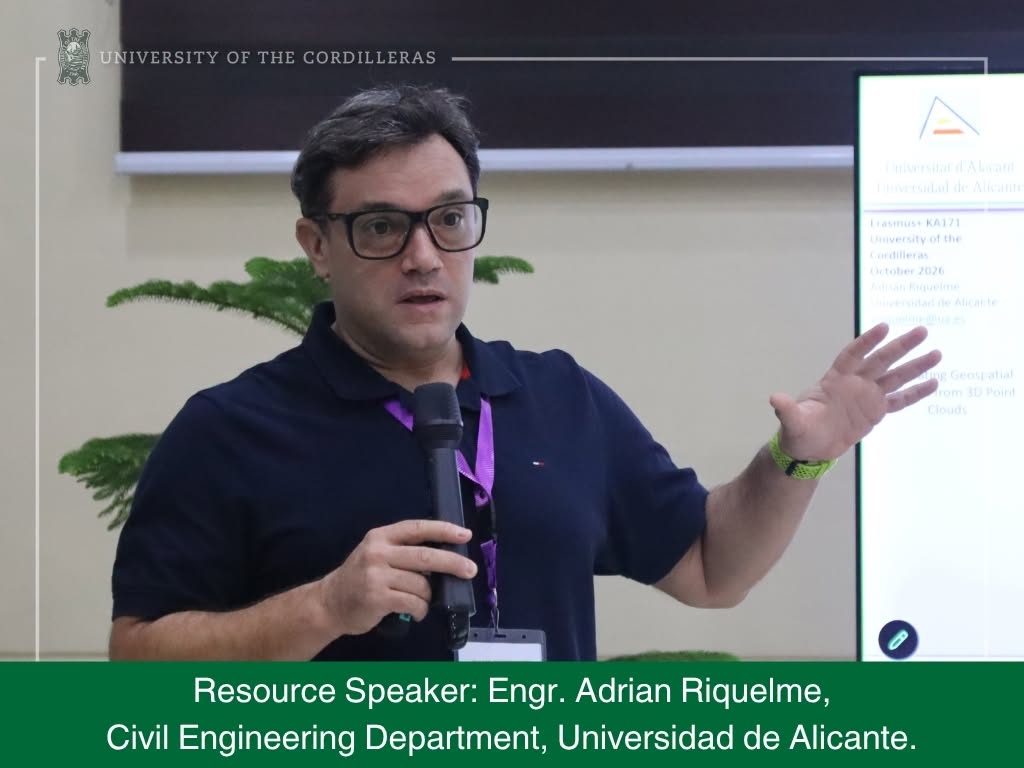
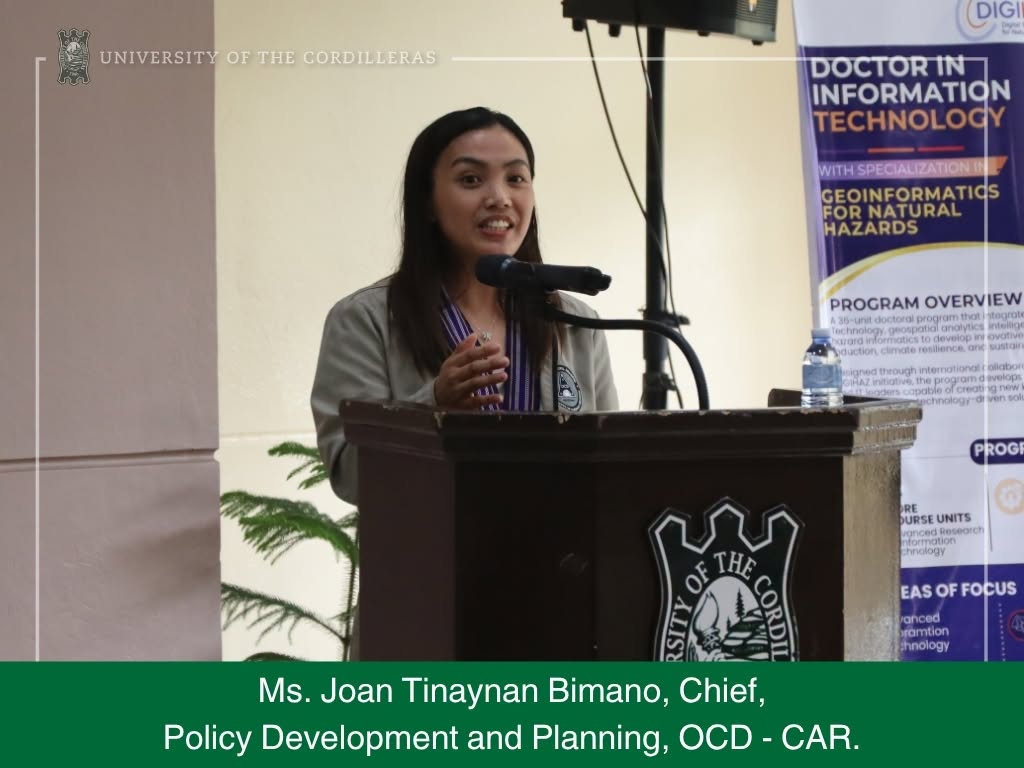
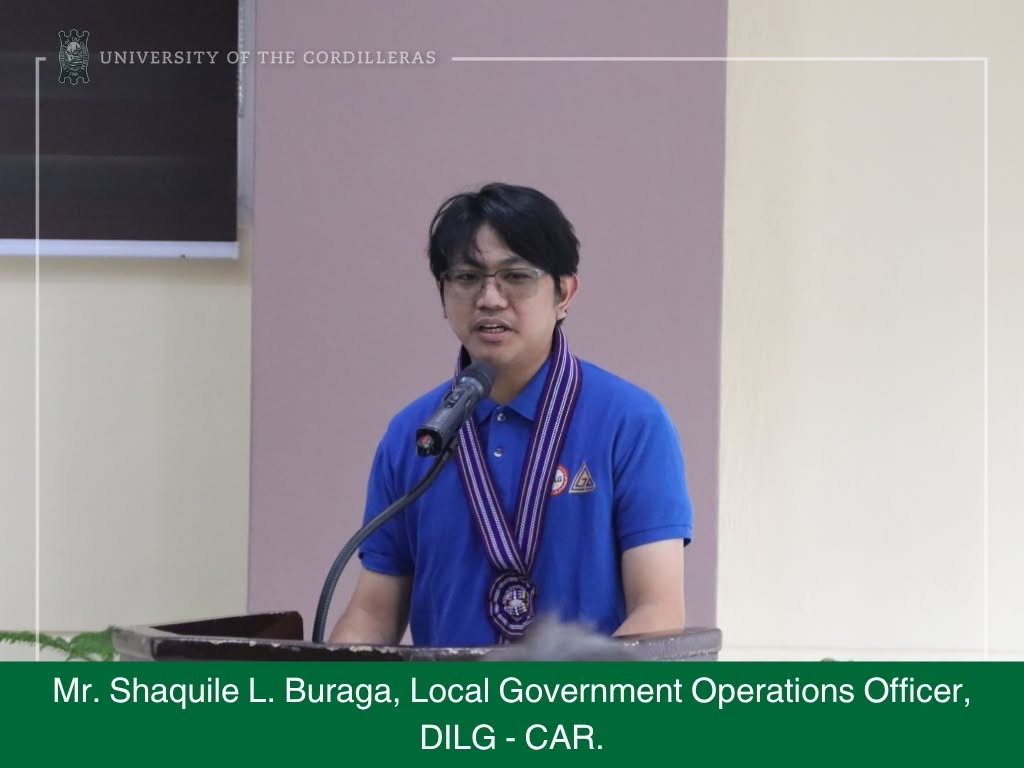
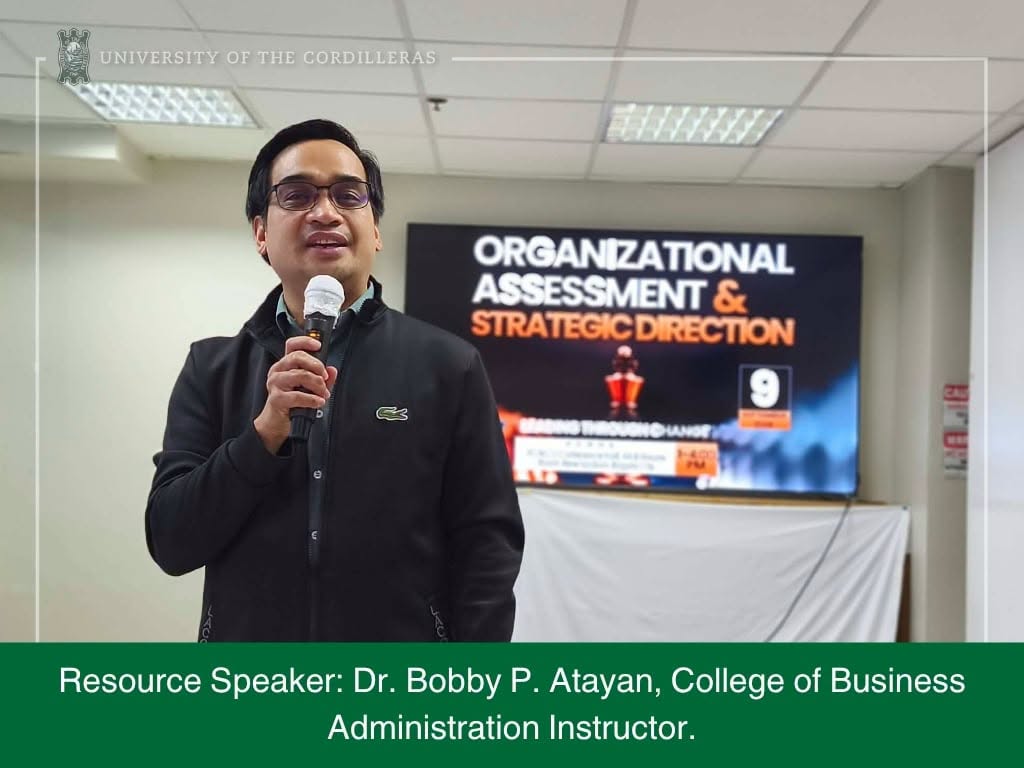
The conference featured discussions on the importance of research and innovation in DRRM, including mainstreaming risk studies into local government unit plans. Speakers included Ms. Joan T. Bimano, Chief of the Policy Development and Planning Section of the Office of Civil Defense–Cordillera Administrative Region (OCD-CAR); Mr. Shaquile L. Buraga, Local Government Operations Officer of the DILG – CAR; and Engr. Adrian Riquelme of the Civil Engineering Department of the Universidad de Alicante, Spain.
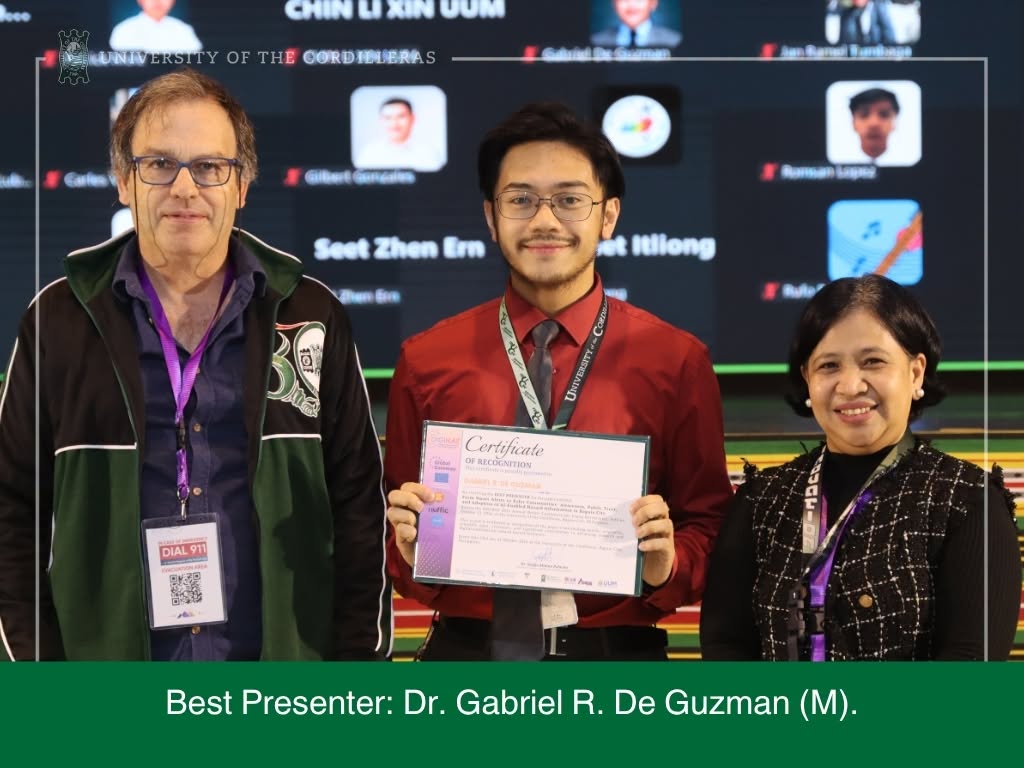
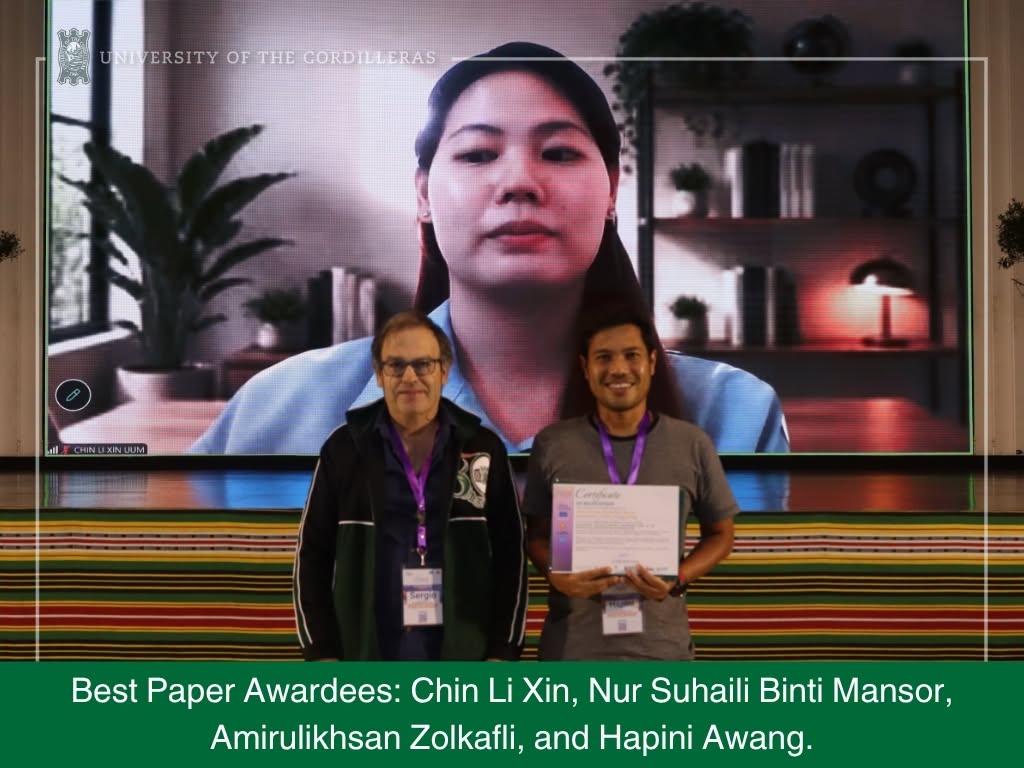
Research presentations highlighted emerging technologies and evidence-based approaches to natural hazard monitoring, flood mapping, and community preparedness. In Breakout Session Room 1, CyberVision: Resource-Adaptive Multimodal Edge AI for Resilient Fire and Smoke Hazard Monitoring received the Best Paper award, while Comparative Machine Learning Using Sentinel-1 SAR for Rapid Flood Mapping in La Union was recognized as Best Presenter.
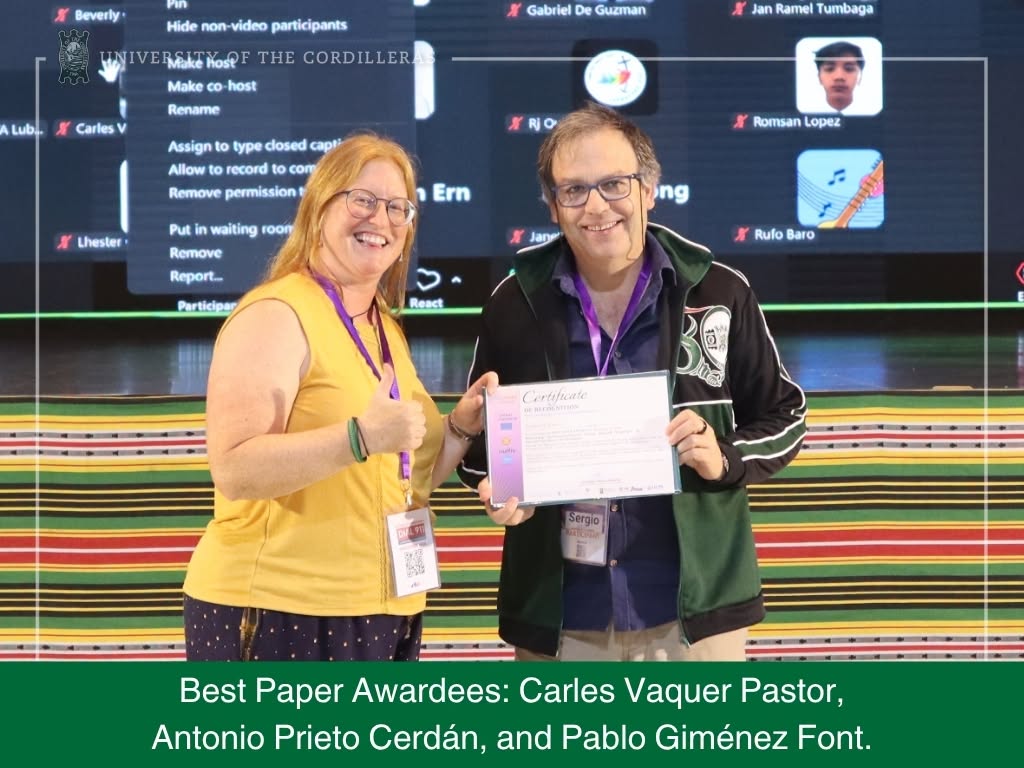
Breakout Session Room 2 recognized Assessing Geomorphological Flood Hazard Exposure in Spread-Out Rural Settlements: A GIS and Climate Change Scenario Approach in Alicante, Spain as Best Paper. From Smart Alerts to Safer Communities: Awareness, Public Trust, and Adoption of AI-Enabled Hazard Information in Baguio City received the Best Presenter award.
The DIGIHAZ project is funded by the European Union through the Erasmus+ Programme, supporting international cooperation in higher education, research, and digital transformation for natural hazard risk reduction.
#QualitryEducation #SDG9 #SDG11 #SDG13 #SDG17